

Overview
Swimming pools provide enjoyment but have significant environmental impacts, including high water usage, energy consumption, and chemical maintenance. To mitigate these effects, pool owners should consider efficient water management, energy-saving heating options, eco-friendly materials, and sustainable designs. Making informed choices can help reduce the ecological footprint of pool ownership while still enjoying the benefits of swimming.
Table of Contents
- Water Consumption: A Hidden Cost of Enjoyment
- Filling Your Pool
- Evaporation Losses
- Energy Consumption: The Power Behind Your Pool
- Filtration Systems
- Heating Methods
- The Role of Chemicals in Pool Maintenance
- Chlorine and Algae Solutions
- Mineral Pools and Their Benefits
- Material Choices: Building Your Pool Sustainably
- Eco-Friendly Pool Liners
- Natural Stone and Renewable Materials
- Innovative Pool Designs for Sustainability
- Smaller Pools with Greater Efficiency
- Incorporating Green Spaces
- Responsible Swimming: Making Sustainable Choices
- Choose Eco-Friendly Accessories
- Limit Water Changes
- Conclusion: Make a Splash for Sustainability
Key Takeaways
- Water Consumption: Filling a swimming pool can use tens of thousands of gallons, stressing local water resources, especially in water-scarce regions.
- Evaporation Losses: A standard residential pool can lose up to 1,000 gallons per month due to evaporation, making efficient pool covers essential for conservation.
- Energy Use: Traditional filtration and heating systems can lead to high energy costs; upgrading to energy-efficient options can minimize environmental impact.
- Chemical Alternatives: Chlorine can produce harmful byproducts; consider safer alternatives like saltwater systems or natural enzymes to protect local ecosystems.
- Eco-Friendly Materials: Using biodegradable pool liners and renewable materials for construction can significantly reduce plastic waste and environmental footprint.
- Innovative Designs: Smaller, well-designed pools and incorporating green spaces can enhance efficiency and promote local biodiversity.
- Sustainable Practices: Regular chemical testing and choosing eco-friendly accessories can minimize water waste and enhance the overall swimming experience.
Swimming pools offer leisure and enjoyment, but they come with significant environmental implications. Understanding these impacts allows us to make informed decisions about pool ownership and usage. In this article, we will delve into the ecological footprint of swimming pools, addressing water usage, energy consumption, and the materials involved in their maintenance and operation. Knowledge is essential for mitigating harm and making sustainable choices.
Water Consumption: A Hidden Cost of Enjoyment
One of the most obvious environmental impacts of swimming pools is their demand for water. Maintaining a pool requires a substantial volume of water for filling, ongoing upkeep, and refilling due to evaporation. Let's explore these factors:
Filling Your Pool
Initially, the process of filling a swimming pool can consume tens of thousands of gallons of water, depending on the pool's size. This initial fill-up is often overlooked, but it contributes to the strain on local water resources. In regions where water scarcity is an issue, this is a significant concern.
Evaporation Losses
Once the pool is filled, it faces the ongoing challenge of evaporation. Particularly in hotter climates, evaporation can lead to considerable water loss, necessitating frequent refills. A standard residential pool can lose up to 1,000 gallons per month through evaporation alone. This is where efficient pool covers can come into play, limiting excess water loss and helping to conserve this precious resource.
Energy Consumption: The Power Behind Your Pool
The energy footprint of swimming pools often goes unnoticed, but it plays a crucial role in the overall environmental impact. Pools require energy for filtration, heating, and maintaining proper chemical balance. Let's take a more in-depth look at their energy consumption:
Filtration Systems
Swimming pools rely on filtration systems to keep the water clean and safe for use. Many traditional systems are powered by electricity and can generate high energy costs, particularly in larger or poorly designed pools. Upgrading to more energy-efficient options can help reduce these costs and minimize environmental impact.
Heating Methods
To enjoy swimming year-round, many pool owners invest in heating solutions. Traditional gas or electric heaters can contribute significantly to energy consumption and greenhouse gas emissions. Consider switching to solar heaters or heat pumps to lower your environmental footprint while enjoying your swimming experience.
The Role of Chemicals in Pool Maintenance
Keeping pool water safe and enjoyable often involves using chemicals to prevent bacteria growth and to balance the water's pH levels. While necessary, these chemicals can also negatively impact the environment:
Chlorine and Algae Solutions
Chlorine is widely used in swimming pools but is often criticized for its environmental impacts. When chlorine interacts with organic matter, it can create harmful byproducts that may affect local ecosystems. It's essential to explore safer alternatives, such as saltwater systems or natural enzyme products, to lower these risks.
Mineral Pools and Their Benefits
Mineral pools utilize essential minerals to keep the water clean and comfortable. Not only do these alternatives reduce the need for harsh chemicals, but they also create a pleasant swimming experience. Investing in a mineral system helps promote a better ecosystem in and around the pool.
Material Choices: Building Your Pool Sustainably
The materials used in constructing your pool can have long-lasting implications for the environment. By selecting eco-friendly materials, you can positively contribute to sustainability efforts:
Eco-Friendly Pool Liners
Traditional vinyl liners used in pools are not biodegradable and contribute to plastic waste. Consider eco-friendly alternatives that minimize environmental impact while providing durability.
Natural Stone and Renewable Materials
When building or renovating a pool area, opt for natural stones or renewable materials like bamboo for decking and landscaping. These choices not only create a stunning aesthetic but also reduce the overall environmental footprint of your swimming space.
Innovative Pool Designs for Sustainability
Modern pool designs can significantly reduce resource usage and environmental impacts. Here are some innovative ideas that promote sustainability:
Smaller Pools with Greater Efficiency
Opting for smaller, well-designed pools can minimize water usage and energy consumption, making them more efficient overall. Splash pools or plunge pools offer a great option for homeowners who wish to enjoy the water without a massive environmental footprint.
Incorporating Green Spaces
Surrounding your pool with native vegetation can improve local biodiversity while creating a beautiful landscape. Not only do plants enhance the beauty of your pool, but they also contribute to better water management by preventing erosion and facilitating groundwater recharge.
Responsible Swimming: Making Sustainable Choices
As pool users, we can adopt habits that promote sustainable practices. By being mindful of our consumption and making simple changes, we can lessen our environmental impact:
Choose Eco-Friendly Accessories
Invest in eco-friendly accessories like a neoprene swimming headband to add comfort while protecting hair from chlorine and other chemicals. Accessories like these can make a significant difference in the overall experience while promoting sustainability.
Limit Water Changes
Reducing the frequency of water changes can help minimize water waste. Regularly testing your pool's chemical balance prevents the need for water replacement, ultimately saving gallons and reducing your overall environmental footprint.
Conclusion: Make a Splash for Sustainability
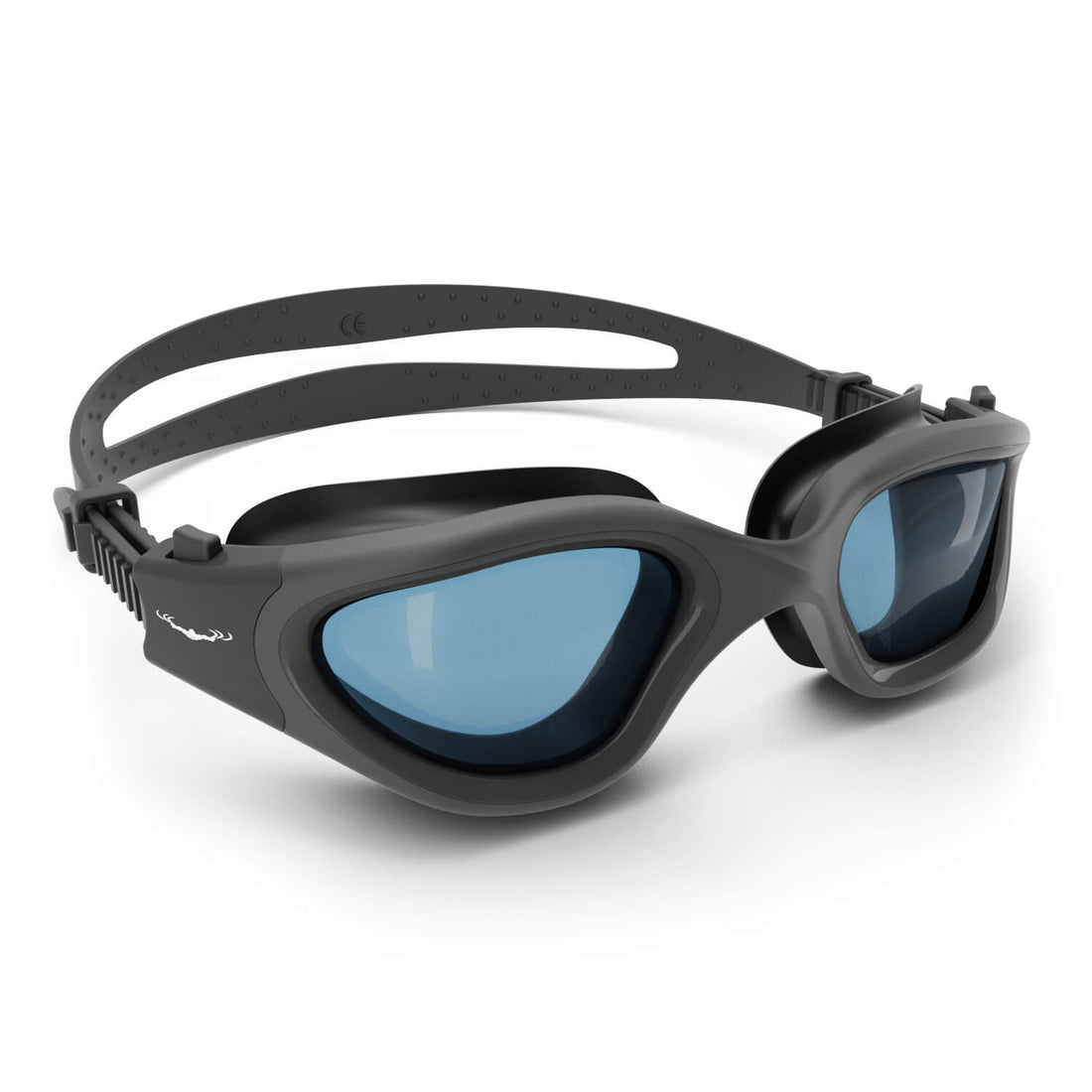
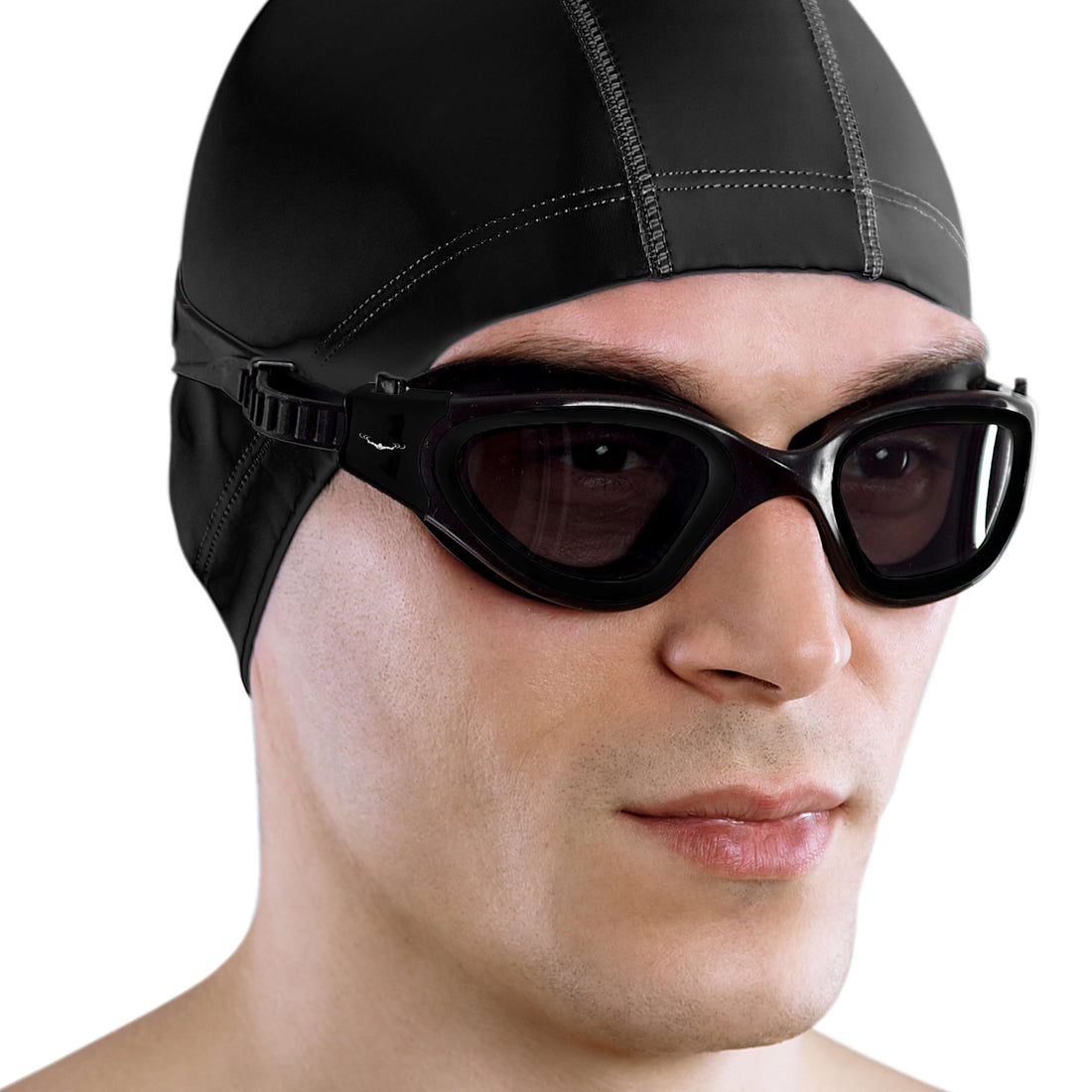
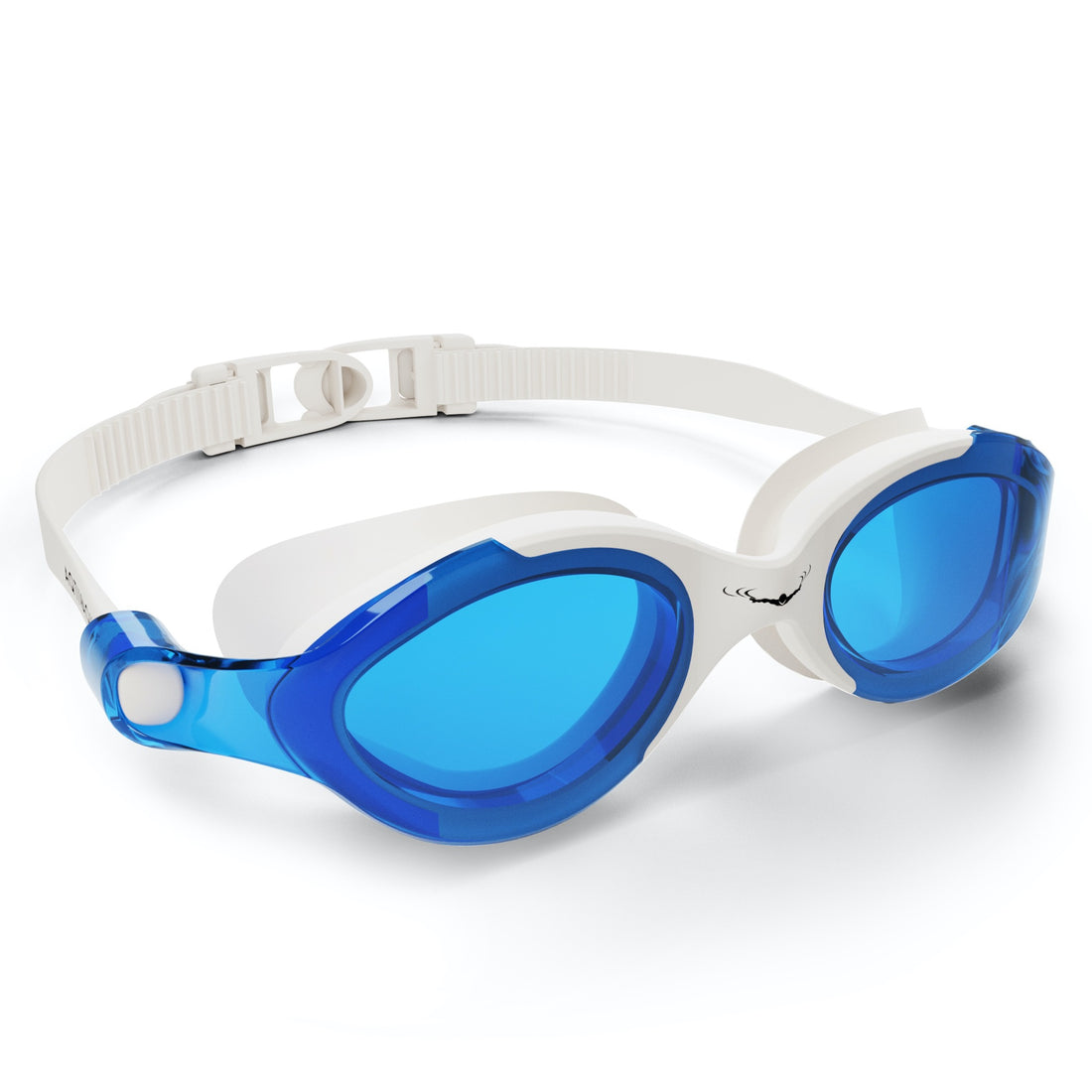
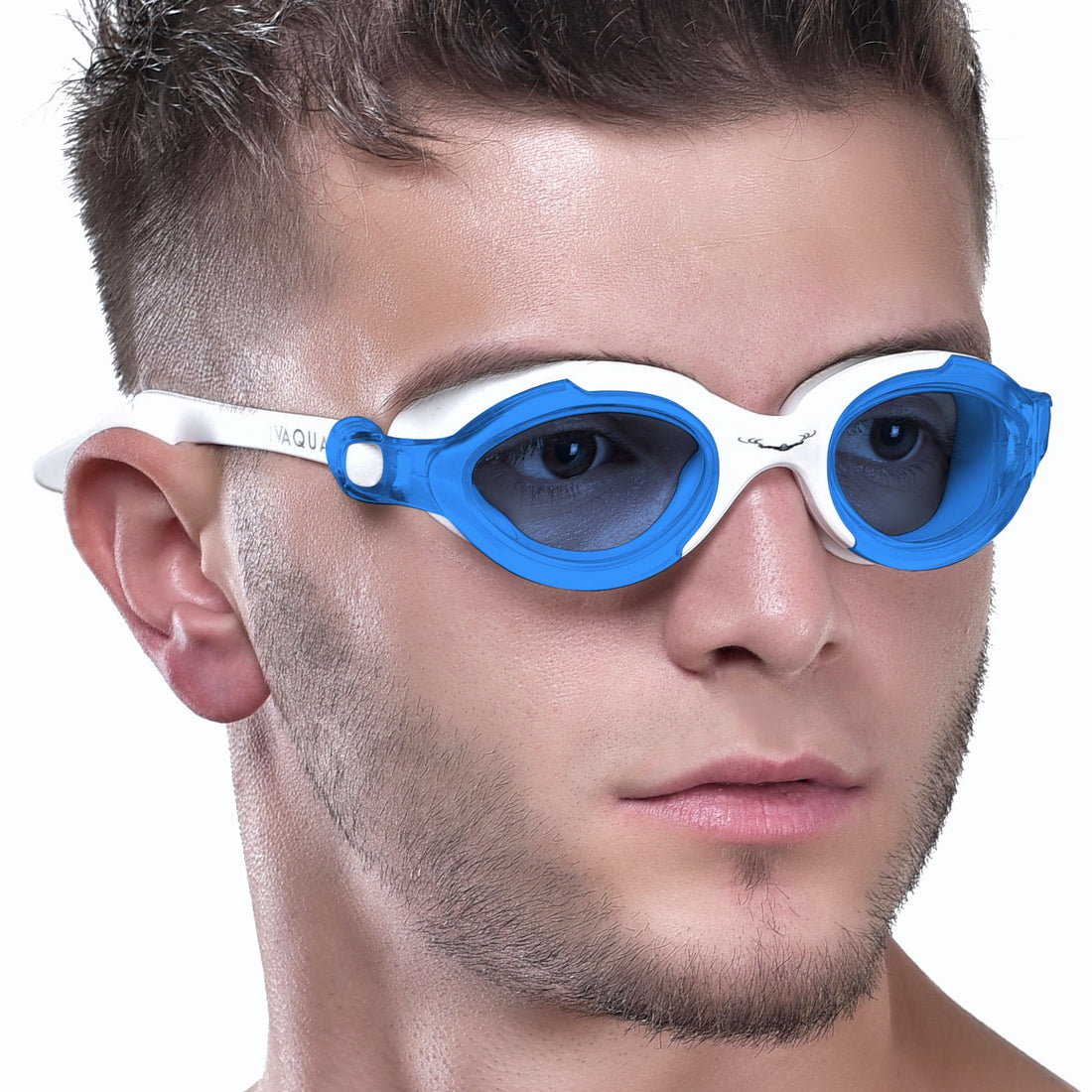
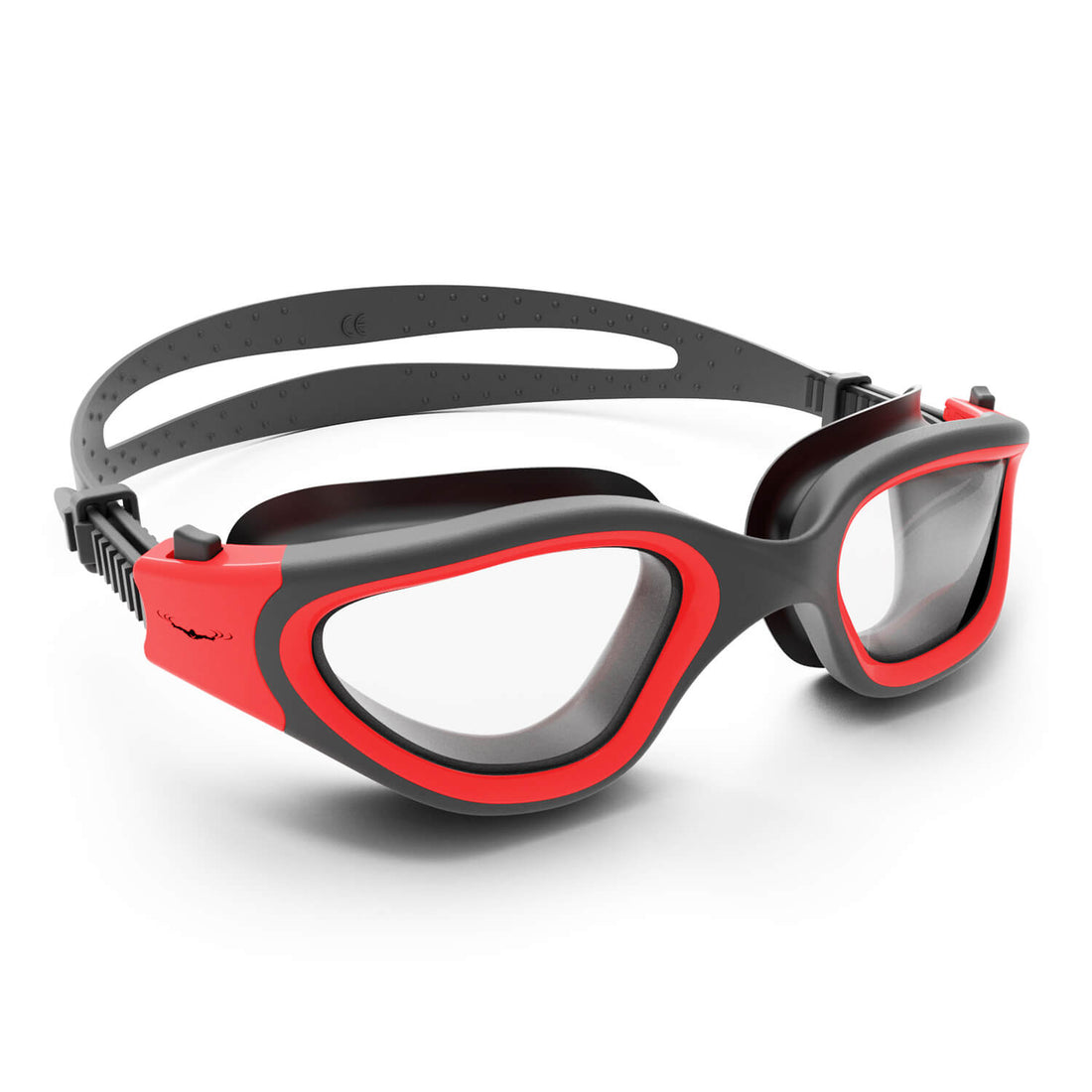
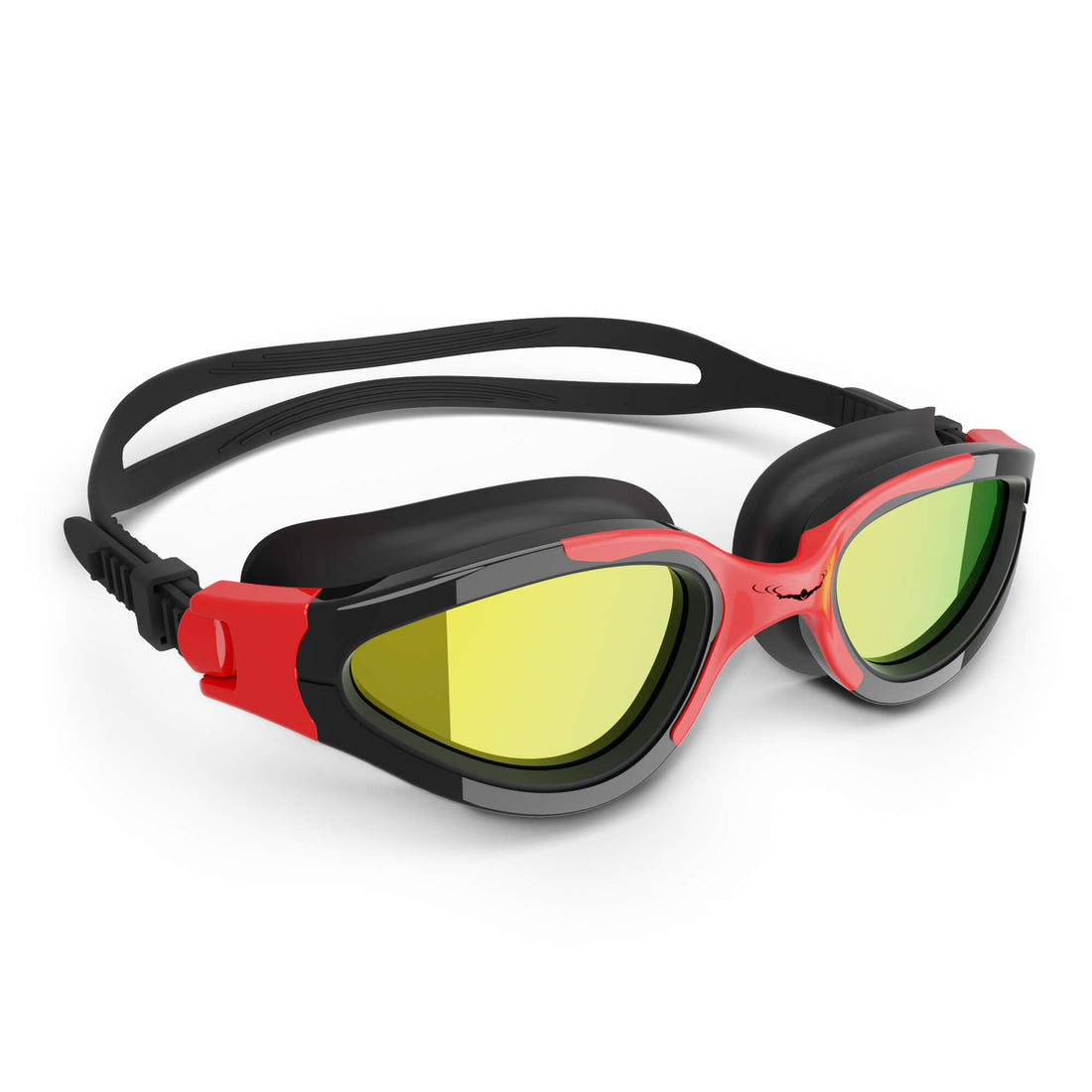
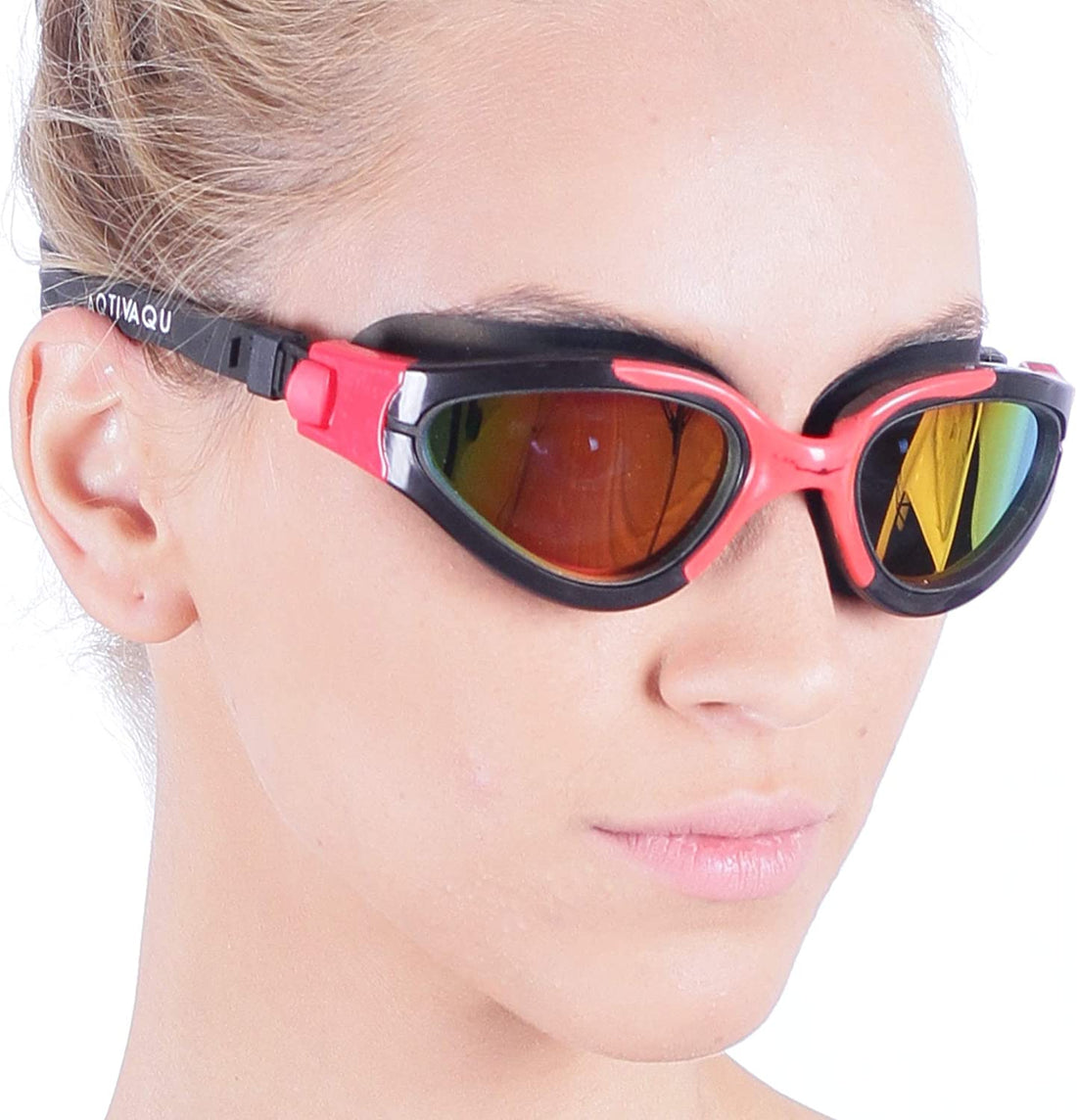
In summary, while swimming pools provide joy and relaxation, it is essential to recognize and mitigate their environmental impact. By understanding water usage, energy consumption, and chemical applications, we can make informed decisions to embrace sustainability. From efficient designs to eco-friendly materials, and even fun accessories such as swimming goggles and the neoprene swimming headband, there are numerous ways to reduce our ecological footprint. Future generations will appreciate our efforts to protect the planet while enjoying the pleasures of swimming.
Frequently Asked Questions
1. What are the main environmental impacts of swimming pools?
2. How much water is required to fill a swimming pool?
3. What are some energy-efficient alternatives for pool heating?
4. How can pool owners limit water evaporation?
5. What materials are considered eco-friendly for building pools?
Glossary
| Term | Meaning |
|---|---|
| Ecological Footprint | The total environmental impact of an activity or product. |
| Water Consumption | The amount of water used for filling and maintaining a pool. |
| Evaporation Losses | Water loss from the pool due to evaporation, especially in hot climates. |
| Filtration Systems | Equipment used to keep pool water clean and safe. |
| Heating Methods | Ways to warm pool water, often using gas or electric heaters. |
| Chlorine | A common chemical used to disinfect pool water but can harm ecosystems. |
| Mineral Pools | Pools that use natural minerals to maintain water quality. |
| Eco-Friendly Materials | Environmentally sustainable options for pool construction and maintenance. |
| Splash Pools | Smaller pools designed for efficiency and reduced resource use. |
| Green Spaces | Native vegetation around pools that enhances biodiversity and water management. |
Linked Product

Neoprene Swimming Headband - Swim Ear Band Protection Cover - Hair Guard - Keep Ear Plugs IN
The Neoprene Swimming Headband provides reliable ear protection by securely holding earplugs in place, making it ideal for individuals with ear tubes or perforated eardrums. Its quick-dry material keeps ears warm while also keeping hair out of the face, and the bright colors enhance visibility in the water. Available in multiple sizes, it caters to users of all ages for a comfortable and secure fit.
View Product