

Overview
This article provides a comprehensive guide on common swimming injuries, their causes, and effective prevention strategies. Readers will learn about frequent injuries such as shoulder and knee pain, as well as essential techniques and equipment to minimize risks while enjoying swimming. By understanding these aspects, swimmers can enhance their safety and overall experience in the water, ensuring a healthier and more enjoyable pursuit of this exhilarating sport.
Table of Contents
- Common Swimming Injuries
- 1. Shoulder Injuries
- 2. Knee Injuries
- 3. Lower Back Pain
- 4. Wrist and Hand Injuries
- 5. Ear Problems
- Causes of Swimming Injuries
- Preventative Techniques
- 1. Focus on Technique
- 2. Strength Training
- 3. Flexibility and Mobility
- 4. Warm Up and Cool Down
- 5. Use Protective Gear
- 6. Listen to Your Body
- Common Equipment for Injury Prevention
- Recognizing Injury Symptoms
- Recovery and Treatment Options
- 1. Rest and Ice
- 2. Physical Therapy
- 3. Pain Management
- 4. Gradual Return to Swimming
- Your Path to Injury-Free Swimming
Key Takeaways
- Common Swimming Injuries: Shoulder injuries, knee injuries, lower back pain, wrist and hand injuries, and ear problems are prevalent among swimmers.
- Causes of Injuries: Improper technique, overtraining, lack of conditioning, inadequate warm-up, and unsafe conditions contribute to swimming-related injuries.
- Preventative Techniques: Focus on proper technique, incorporate strength training, maintain flexibility, and always warm up and cool down before and after swimming.
- Protective Gear: Use swim caps, nose clips, neoprene swimming headbands, and goggles to safeguard against injuries and enhance performance.
- Recognizing Symptoms: Be aware of persistent pain, swelling, reduced range of motion, and any popping noises during movement, which may indicate injury.
- Recovery Options: Rest, apply ice, engage in physical therapy, and manage pain effectively to facilitate recovery from swimming injuries.
- Gradual Return: When returning to swimming after an injury, start with low-impact practices to avoid reinjury and ensure a safe transition back to full training.
Swimming is an exhilarating sport that combines fitness, relaxation, and fun in water. However, like any physical activity, it comes with a risk of injuries. Understanding common swimming injuries, their causes, and prevention strategies is crucial for both amateur and professional swimmers. In this guide, we’ll explore the most frequent injuries associated with swimming and offer practical tips to keep you safe in the water.
Common Swimming Injuries
Swimming may be a low-impact sport, but various injuries can occur, often rooted in technique, overuse, or disregarding safety measures. Here are some of the most common swimming injuries:
1. Shoulder Injuries
The shoulder is one of the most commonly injured areas in swimmers. This can include conditions such as rotator cuff injuries or shoulder impingement syndrome, largely caused by repetitive overhead movements during strokes like freestyle and butterfly.
2. Knee Injuries
Knee pain is prevalent among swimmers, particularly in those who perform breaststroke. The unique kick used in this stroke can put stress on the knee joint, leading to conditions like swimmer’s knee.
3. Lower Back Pain
Lower back pain can arise from improper swimming posture or insufficient strength in core muscles. As swimmers rely heavily on their core to maintain balance and streamline body position, weakness in this area can lead to pain.
4. Wrist and Hand Injuries
Swimmers often experience wrist and hand injuries due to the gripping action used during strokes. Common issues include wrist sprains and tendonitis, especially among competitive swimmers who train rigorously.
5. Ear Problems
Exposure to water can lead to ear infections or swimmer’s ear. The repetitive entry of water into the ear canal can cause irritation and infection. Conditions such as perforated eardrums might also arise, leading to severe complications if not treated properly.
Causes of Swimming Injuries
Understanding the causes of these injuries is key to prevention. The following factors contribute to swimming-related injuries:
- Improper Technique: Poor swimming form can place undue stress on muscles and joints.
- Overtraining: Excess training without adequate rest increases the risk of overuse injuries.
- Lack of Conditioning: Insufficient strength and flexibility in crucial muscle groups can make swimmers more susceptible to injuries.
- Inadequate Warm-up: Failing to properly warm up can lead to muscle strains and joint issues.
- Unsafe Conditions: Swimming in crowded or poorly maintained pools can lead to accidents or falls.
Preventative Techniques
Preventing injuries is pivotal for the longevity of a swimmer's career and enjoyment in the water. Here are some strategies to help you stay safe while swimming:
1. Focus on Technique
A strong emphasis on proper swimming technique significantly reduces the risk of injuries. Work with a coach or take lessons to ensure your strokes are executed correctly. Ensure that you are using a streamlined body position to lessen the strain on your joints.
2. Strength Training
Incorporating strength training into your routine builds the muscles that support your swimming movements. Focus on your core, shoulders, and legs. Exercises such as planks, lunges, and resistance band activities can enhance your strength and stability in the water.
3. Flexibility and Mobility
Maintaining flexibility helps prevent injuries by allowing a full range of motion. Regular stretching and mobility exercises, particularly focusing on shoulders, hips, and back, can aid swimmers tremendously.
4. Warm Up and Cool Down
Always begin your practice with a proper warm-up to prepare your body. Similarly, cooling down post-swim is crucial to assist muscle recovery and prevent stiffness.
5. Use Protective Gear
Utilizing appropriate swimming gear can safeguard against injuries. For instance, a neoprene swimming headband can keep earplugs securely in place, preventing water from entering the ear canal, which is crucial for swimmers with ear issues. Using swim caps can also protect hair and reduce drag.
6. Listen to Your Body
Pay attention to your body’s signals. If you notice any pain or discomfort during swimming, it’s essential to address it promptly, ease back on your routine, and seek professional guidance if severe.
Common Equipment for Injury Prevention
While proper technique and conditioning are the most critical factors in preventing swimming injuries, having the right equipment also plays a role. Here are some common items that can help:
- Swim Caps: These not only keep hair out of the way but also reduce water resistance.
- Nose Clips: Helping to block water from entering the nose can prevent discomfort during diving.
- Neoprene Swimming Headband: As mentioned, this headband keeps earplugs securely in place and prevents water from entering the ear canal, especially beneficial for those with eardrum complications.
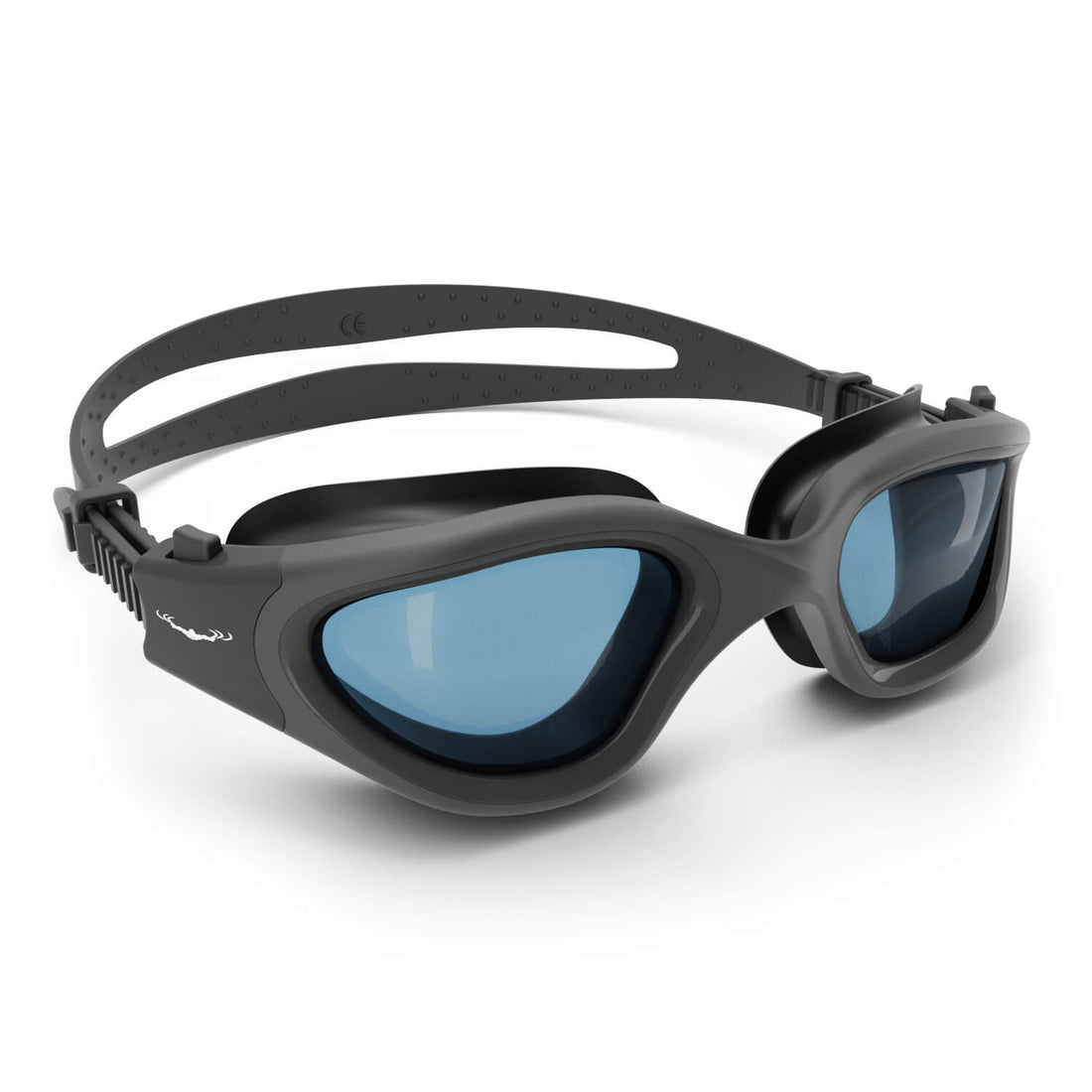
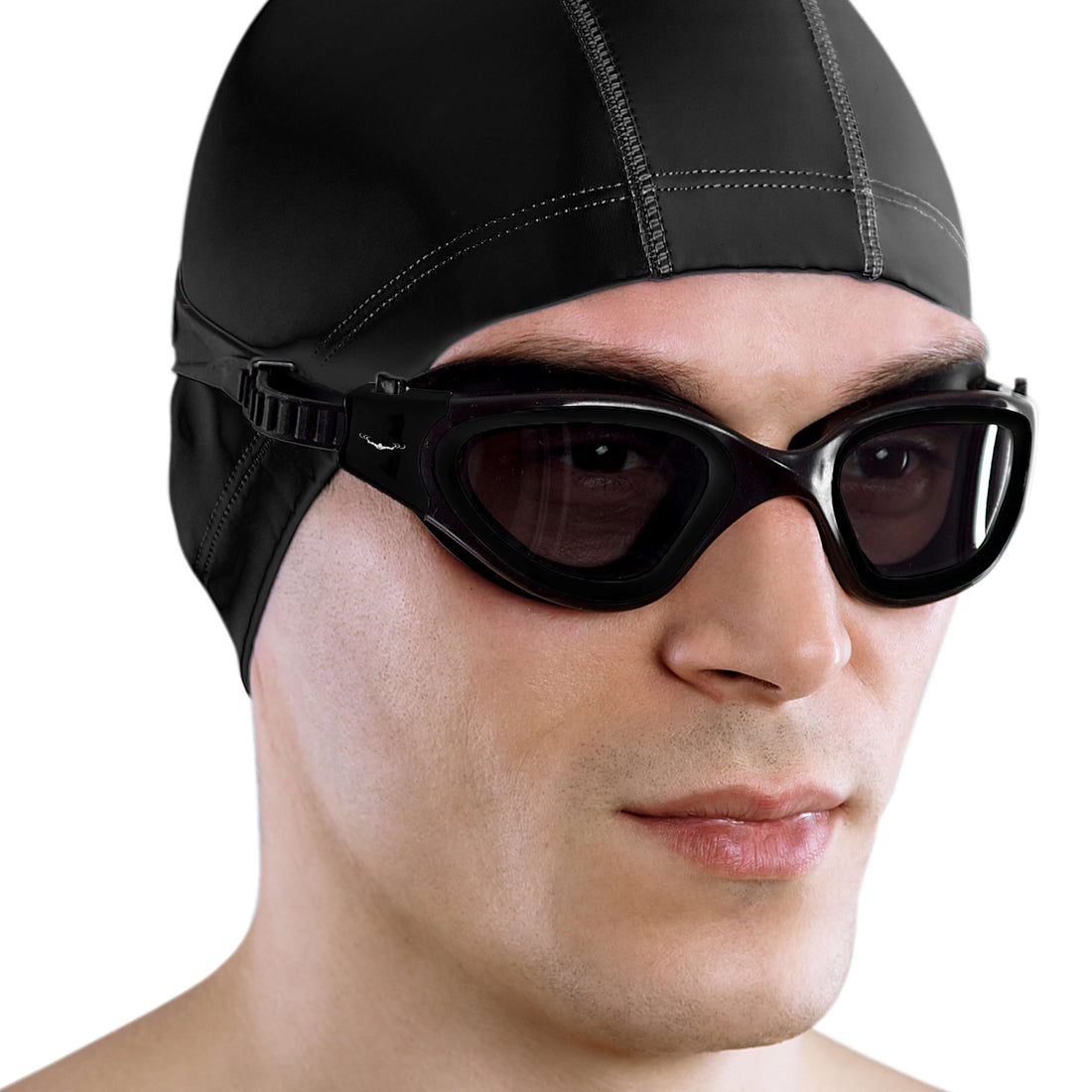
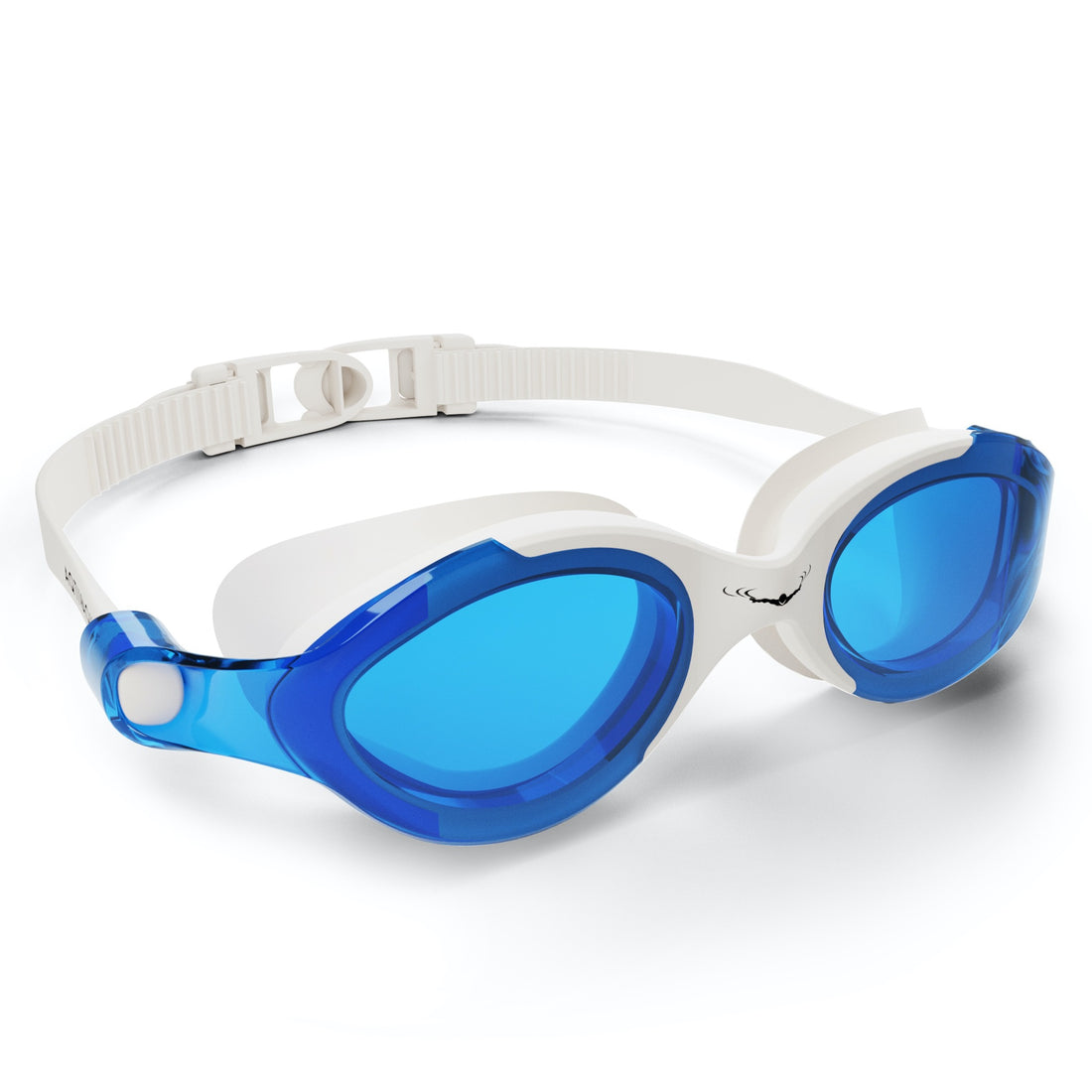
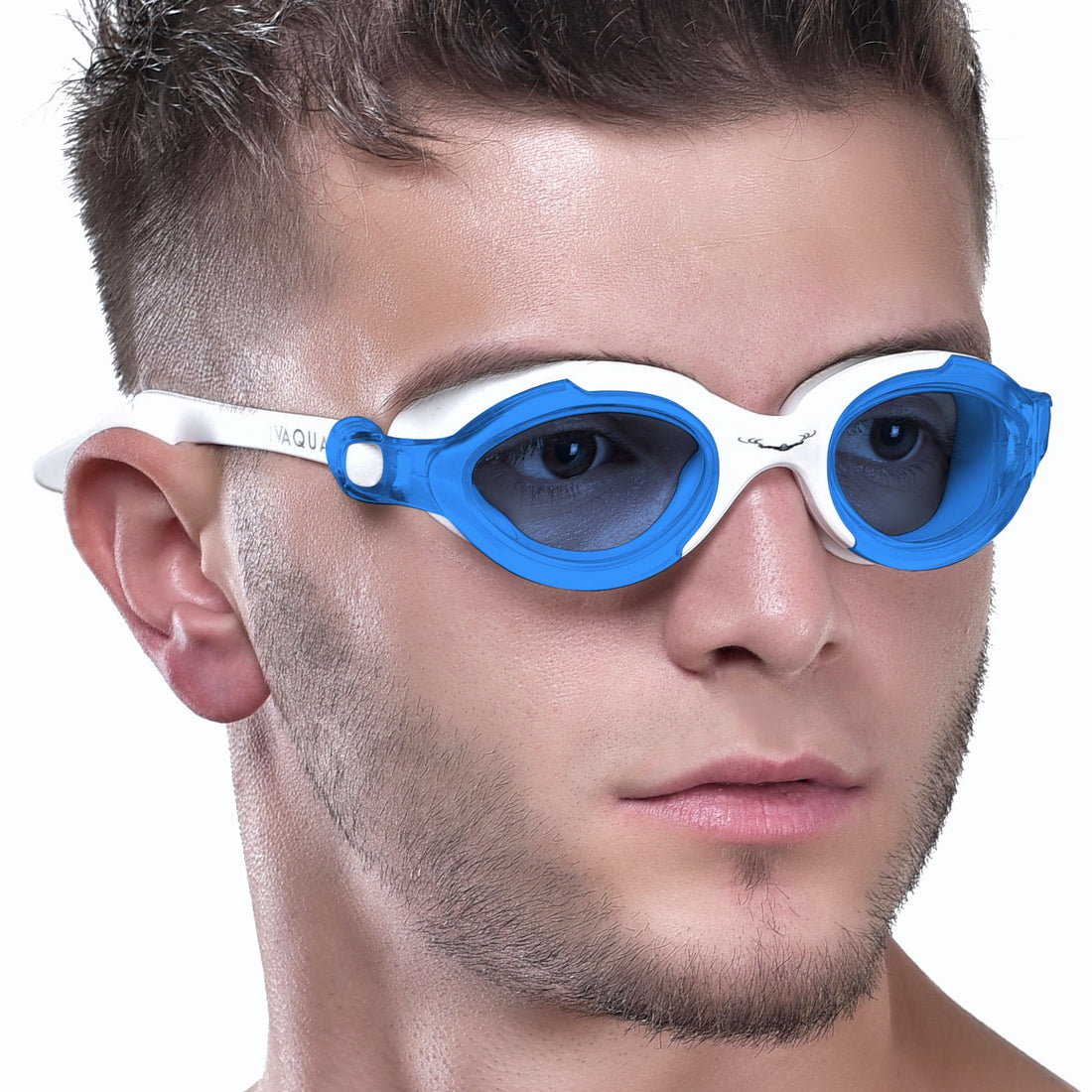
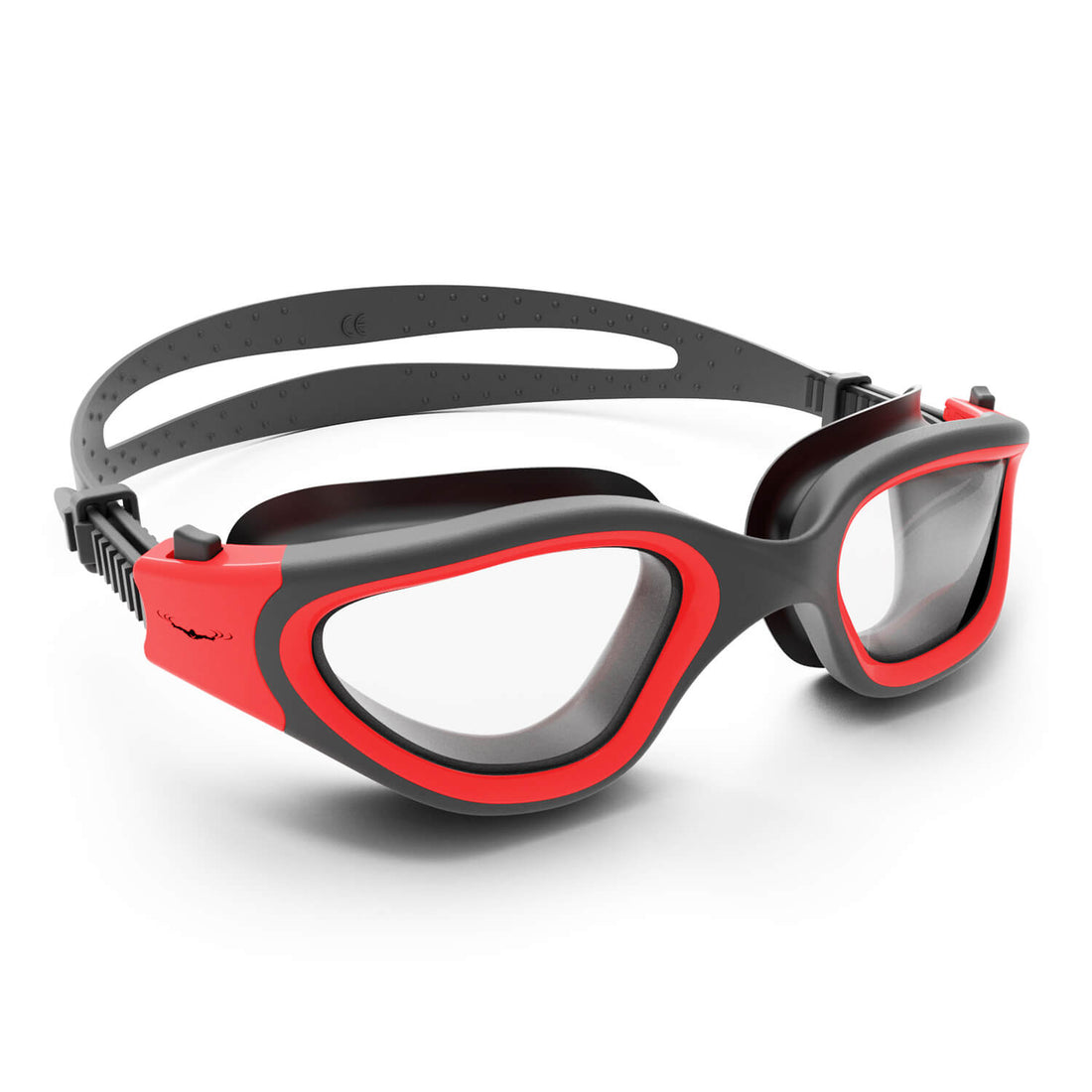
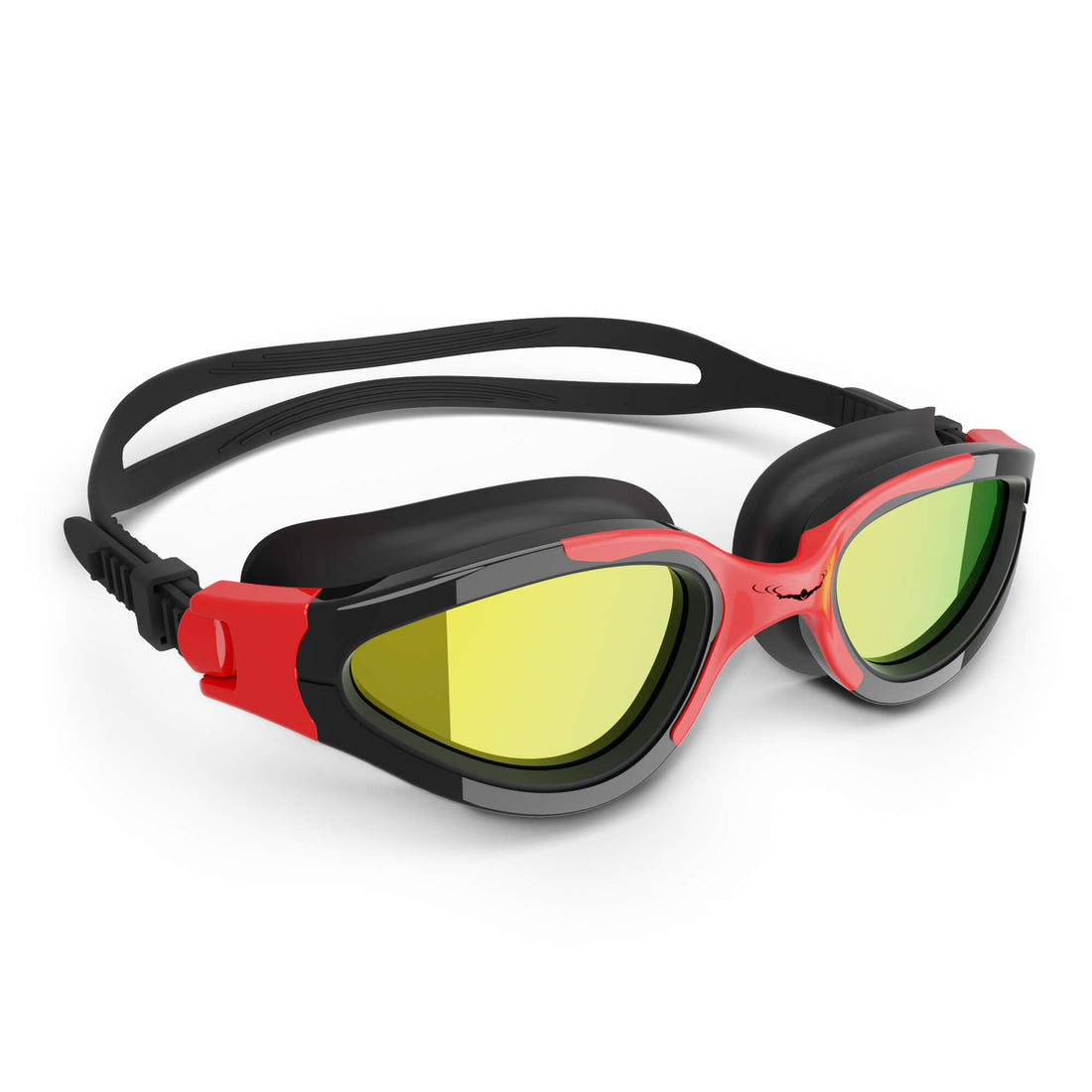
- Goggles: Protecting your eyes from chlorine and improving visibility underwater.
Recognizing Injury Symptoms
It’s vital to recognize the signs and symptoms of potential swimming-related injuries early. Here are common indicators to be aware of:
- Persistent pain in joints or muscles that lasts beyond the regular recovery time.
- Swelling or bruising around affected areas.
- Reduced range of motion in specific joints.
- Any popping or clicking noises during movement.
- Weakness or instability in the muscle groups you commonly use while swimming.
Recovery and Treatment Options
If you do experience a swimming injury, timely intervention can significantly impact your recovery process. Here are some treatment methods:
1. Rest and Ice
When injured, the first step is often to rest the affected area and apply ice to reduce swelling. This is especially beneficial during the first 48 hours post-injury.
2. Physical Therapy
Working with a physical therapist can help tailor a rehabilitation program specific to your needs, incorporating strengthening and mobility exercises.
3. Pain Management
Over-the-counter pain relievers like ibuprofen can help manage pain and inflammation effectively.
4. Gradual Return to Swimming
Once you have addressed the injury, it’s vital to take a gradual approach when returning to swimming to avoid reinjury. Start with low-impact practices before moving back into full training.
Your Path to Injury-Free Swimming
Swimming should be a joyful pursuit, where you enjoy the water and the benefits it brings to your physical health. By understanding common swimming injuries and employing preventive measures, you can swim with confidence, knowing you are minimizing your risk of injury. Whether you choose to wear a neoprene swimming headband to protect your ears or invest in quality swim caps, remember that taking care of your body is essential for a fulfilling swimming experience. Now go ahead, dive in, and make a splash! Your future in the pool depends on it!
Frequently Asked Questions
1. What are the most common injuries in swimming?
2. What causes swimming injuries?
3. How can I prevent swimming injuries?
4. What are the symptoms of swimming-related injuries?
5. What should I do if I sustain a swimming injury?
Glossary
| Term | Meaning |
|---|---|
| Shoulder Injuries | Injuries like rotator cuff issues from repetitive overhead movements. |
| Knee Injuries | Pain from stress on the knee joint, often due to breaststroke kicking. |
| Lower Back Pain | Pain caused by poor posture or weak core muscles while swimming. |
| Wrist and Hand Injuries | Injuries like sprains from gripping during strokes. |
| Ear Problems | Infections or irritation from water exposure, leading to swimmer's ear. |
| Improper Technique | Poor form that increases stress on muscles and joints. |
| Strength Training | Exercises to build muscles that support swimming movements. |
| Warm-Up | Pre-swim routine to prepare muscles and prevent strains. |
| Swim Caps | Caps that reduce water resistance and keep hair in place. |
| Physical Therapy | Rehabilitation program tailored to recover from swimming injuries. |
Linked Product

Neoprene Swimming Headband - Swim Ear Band Protection Cover - Hair Guard - Keep Ear Plugs IN
The Neoprene Swimming Headband provides effective ear protection by keeping earplugs securely in place, making it ideal for individuals with ear tubes or perforated eardrums. Its quick-dry material ensures comfort and warmth in cold water while also keeping hair out of the face. With bright colors for improved visibility and a floating design, this headband is suitable for swimmers of all ages.
View Product